


Birth of Khawla Haddou: when a gift turns into a visual experience
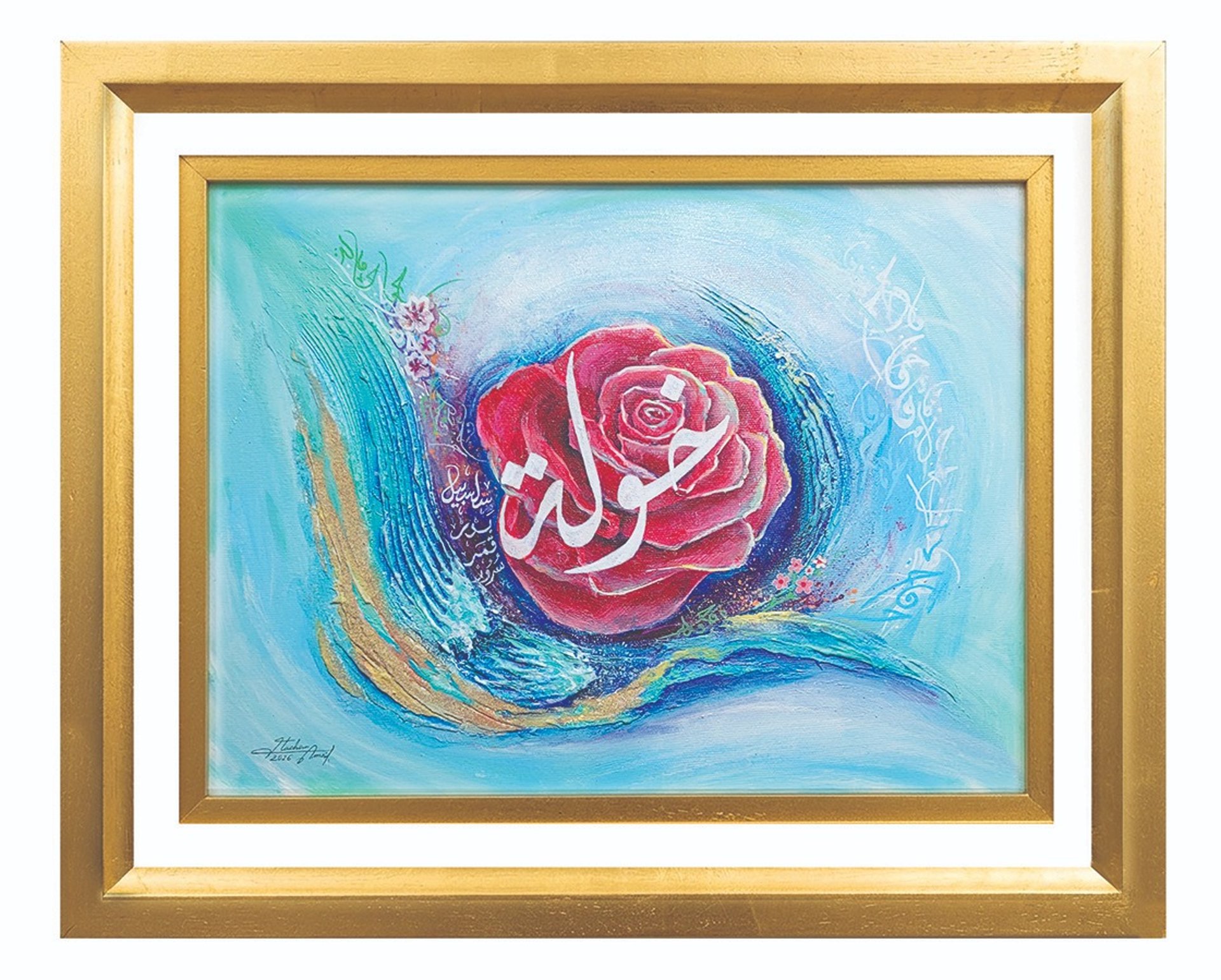
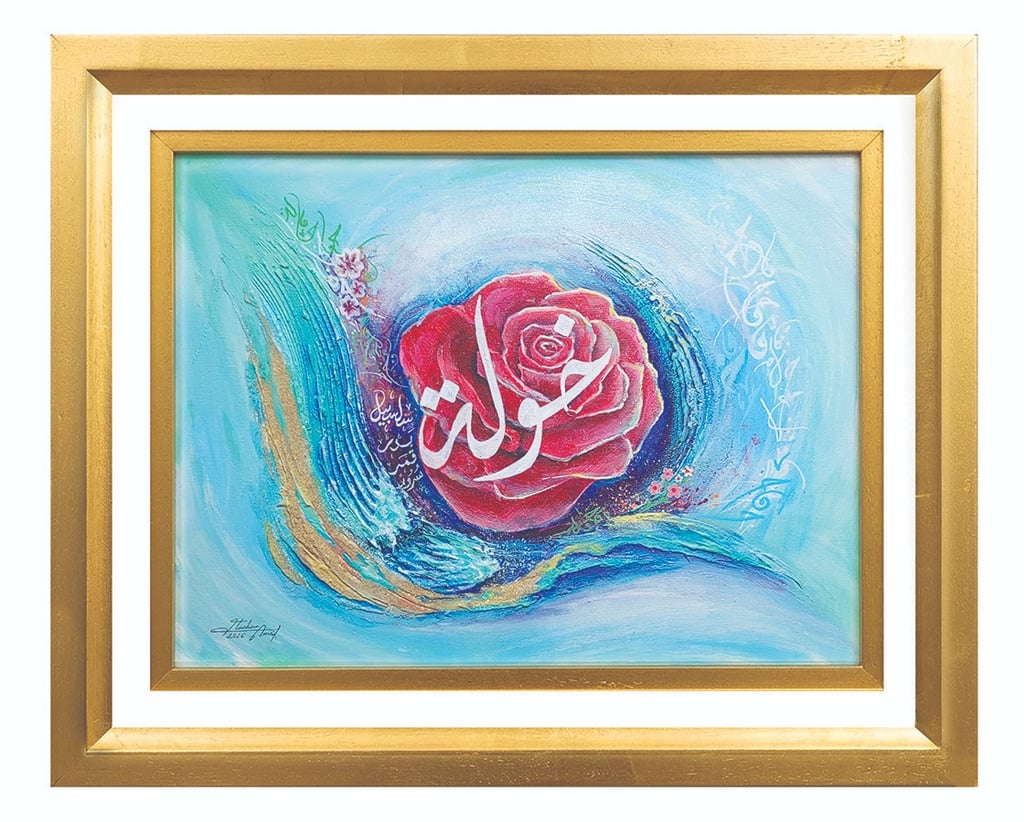
In this commissioned artwork, the goal was not simply to create a painting; the challenge went far beyond that: how can one translate a person’s personality and individual taste into an authentic visual language? The painting was offered as a birthday gift to Mrs. Khawla Haddou, whose aesthetic preferences bring together two essential elements: the red rose and the sea. From this duality began an artistic exploration aimed at finding a visual form capable of uniting these two worlds into a single harmonious composition. (Read more) ...
MY ARTWORKS
Hachem Amzil
3/26/20264 min read
Birth of Khawla Haddou: when a gift turns into a visual experience
In this commissioned artwork, the goal was not simply to create a painting; the challenge went far beyond that: how can one translate a person’s personality and individual taste into an authentic visual language?
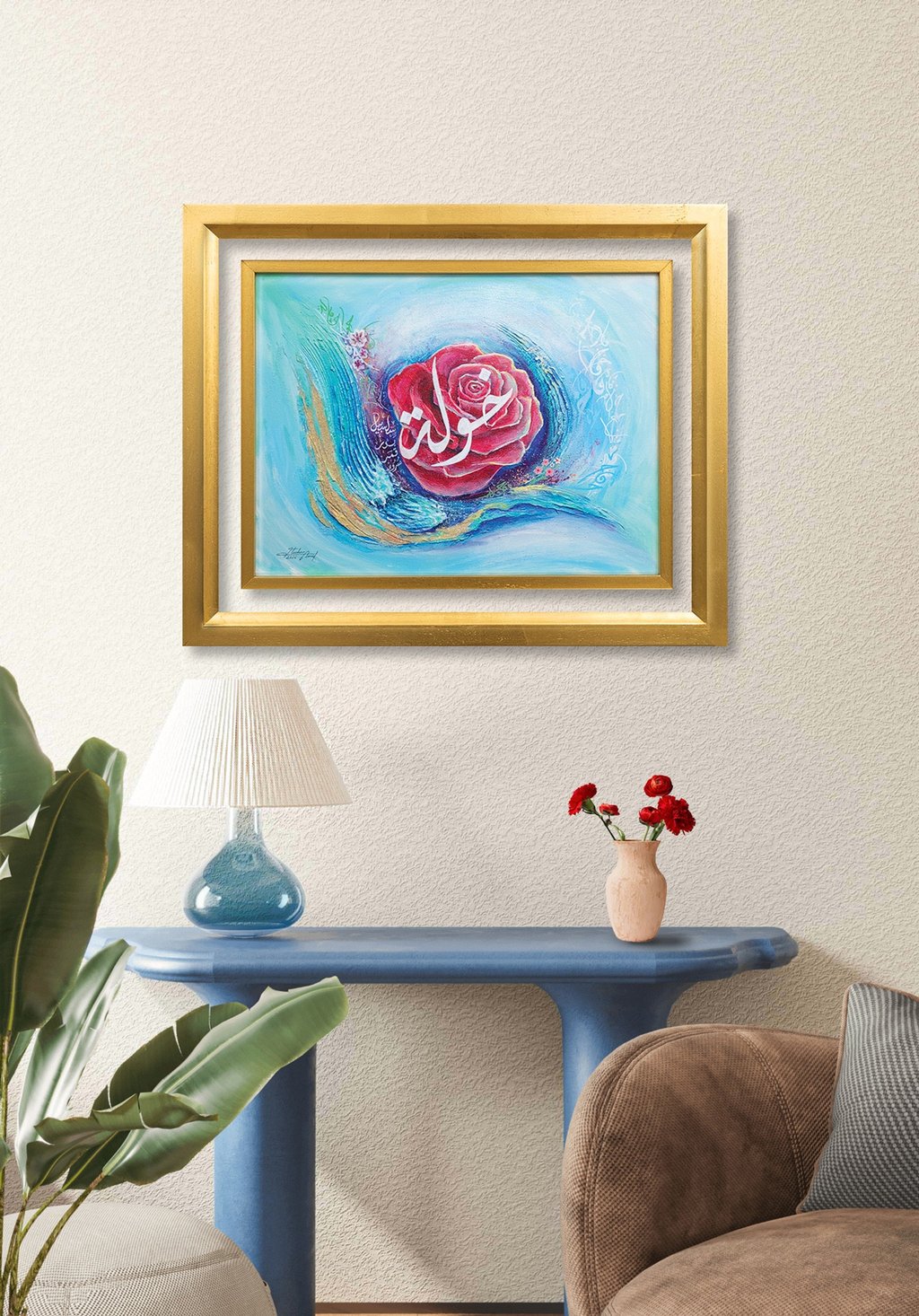
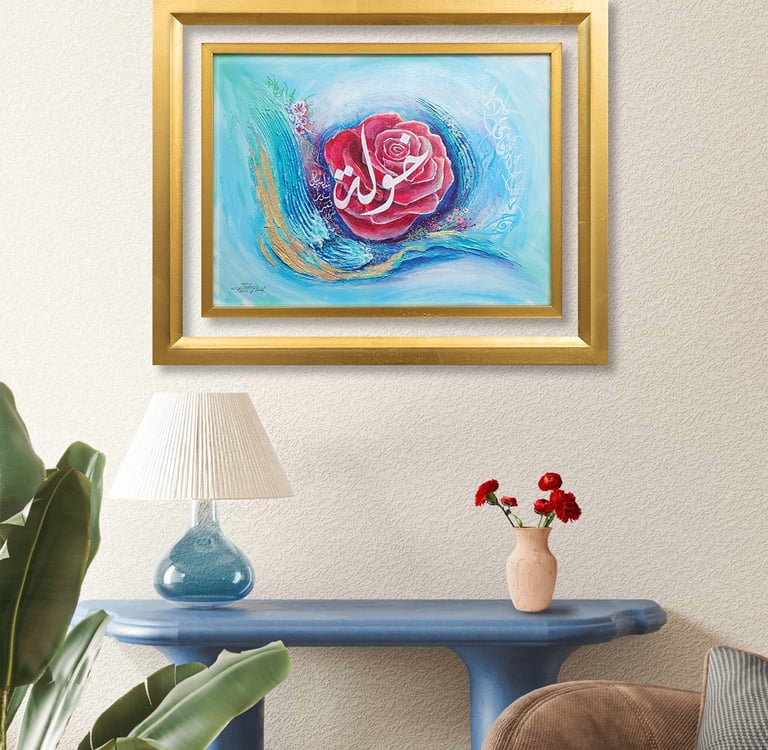
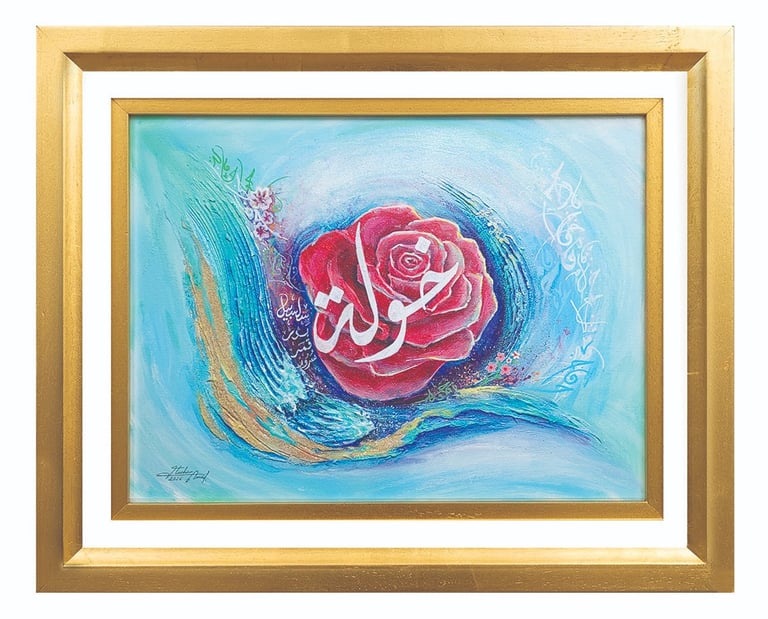
The painting was offered as a birthday gift to Mrs. Khawla Haddou, whose aesthetic preferences bring together two essential elements: the red rose and the sea. From this duality began an artistic exploration aimed at finding a visual form capable of uniting these two worlds into a single harmonious composition.
Between the rose and the name:
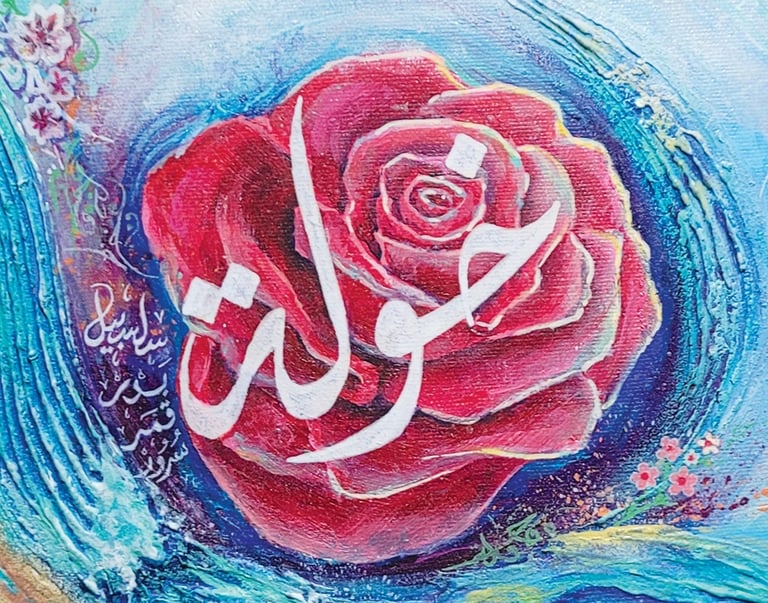
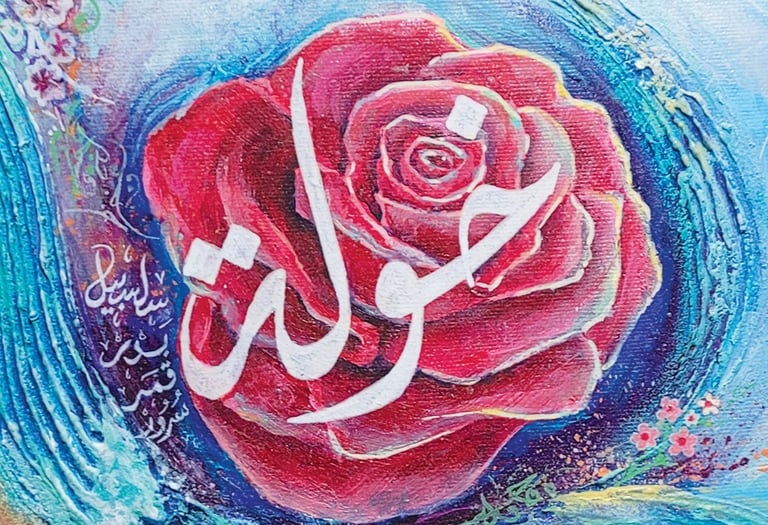
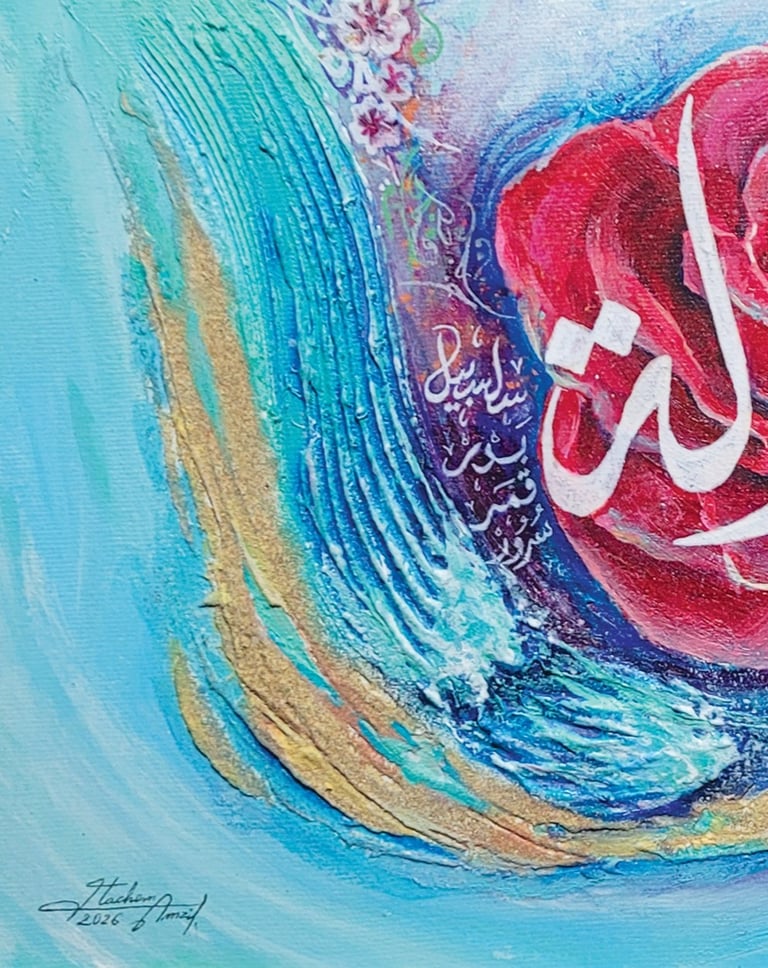
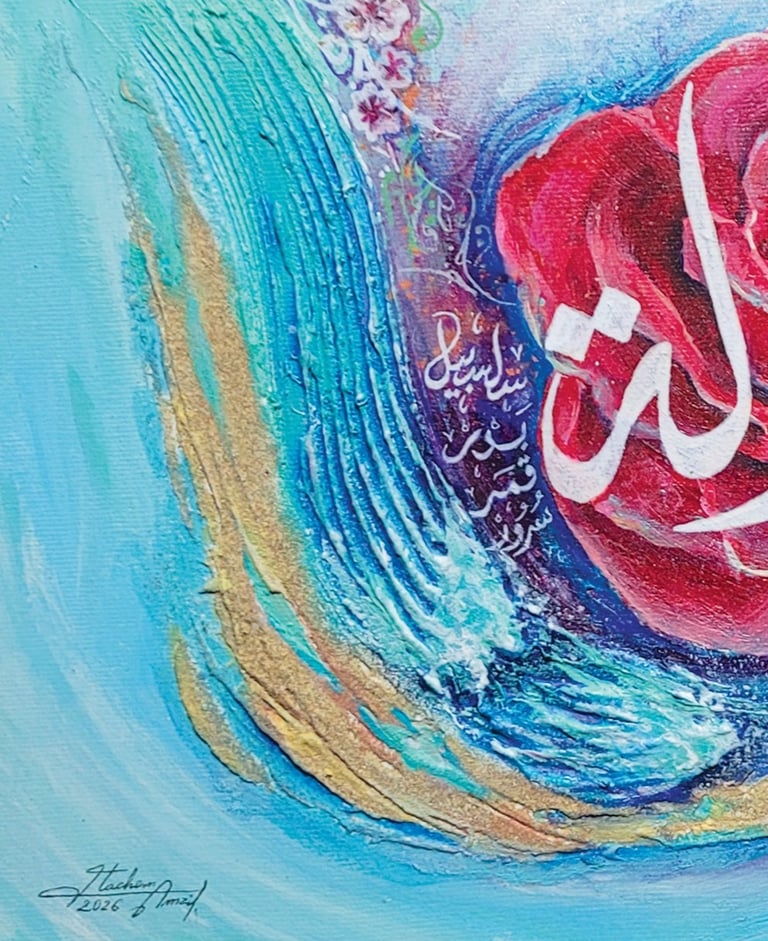
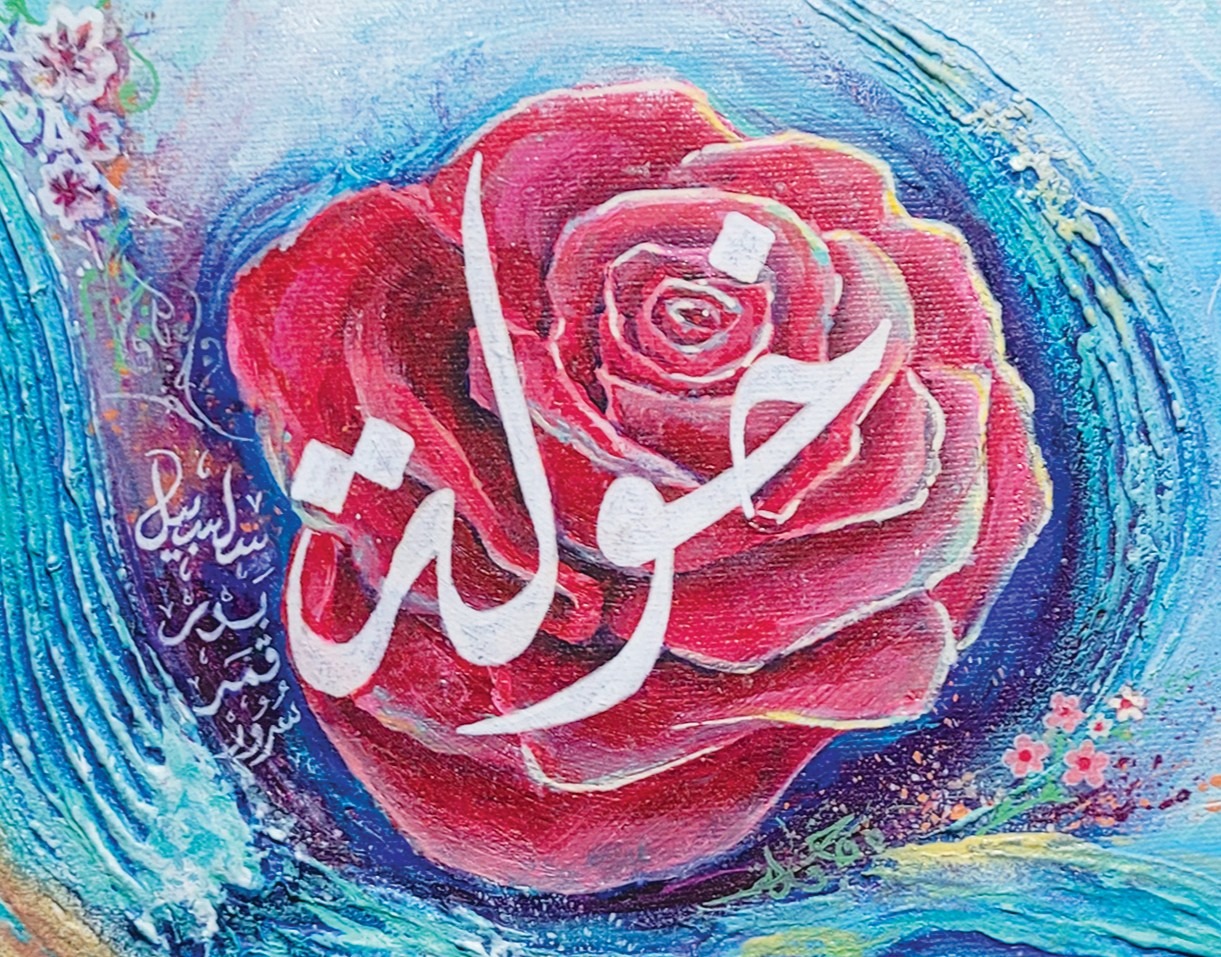
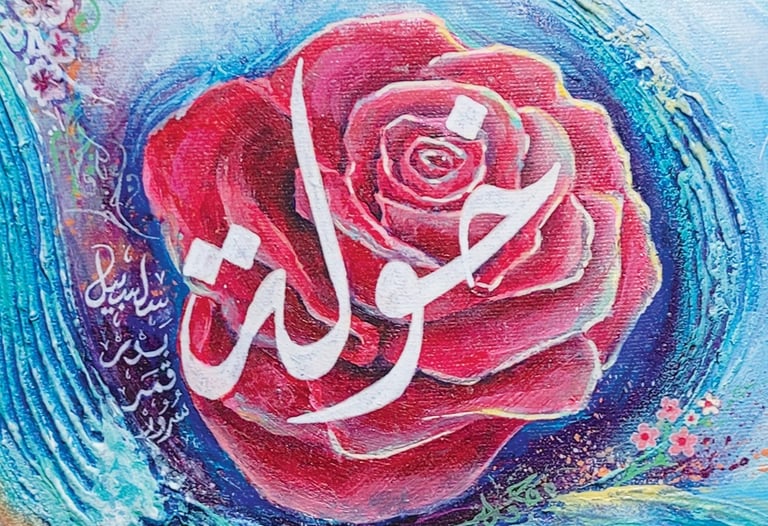
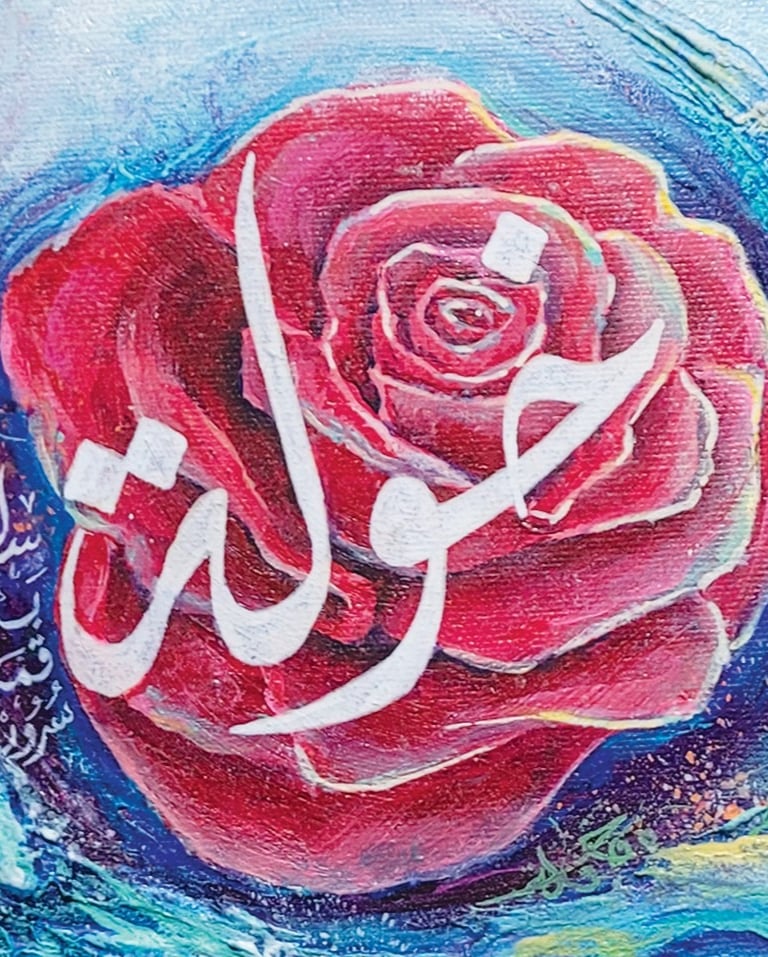
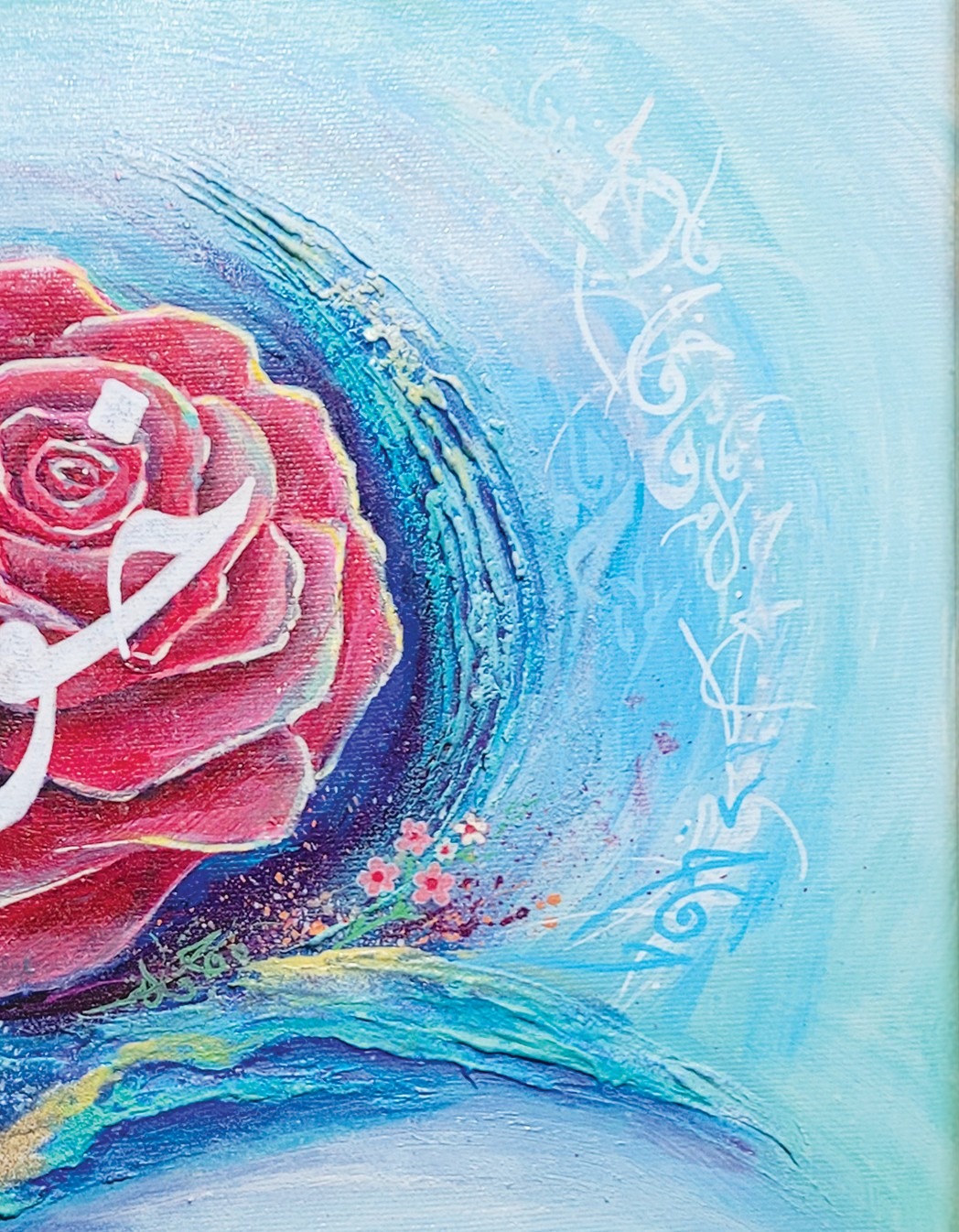
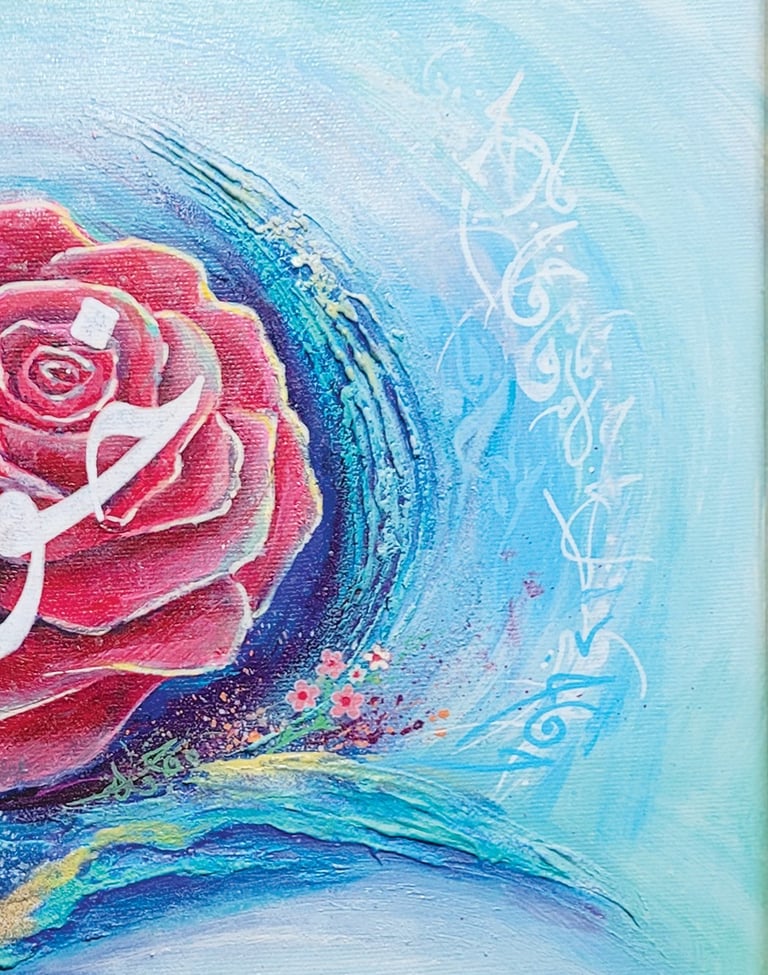
At the heart of the composition, a red rose blooms with full presence and strength. It is not merely an aesthetic element, but a symbolic center carrying meanings of femininity, love, and renewal.
Within this rose, the name “Khawla” unfolds in integrated Arabic calligraphy, as if it emerges from the petals themselves.
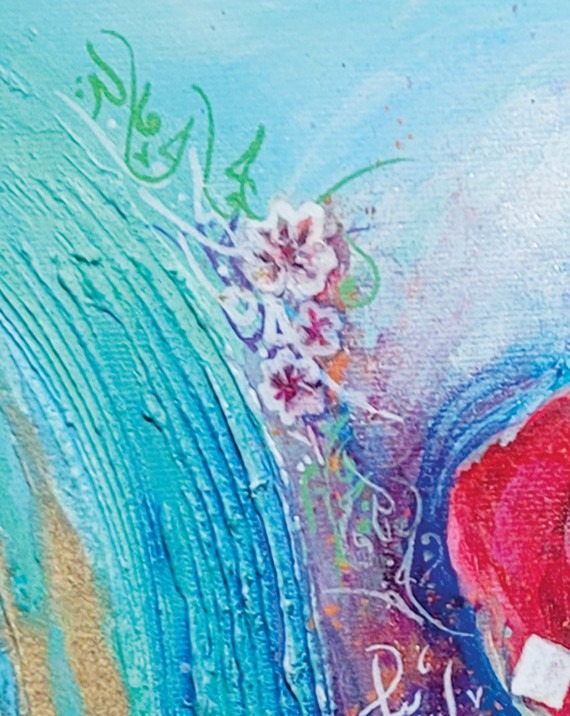
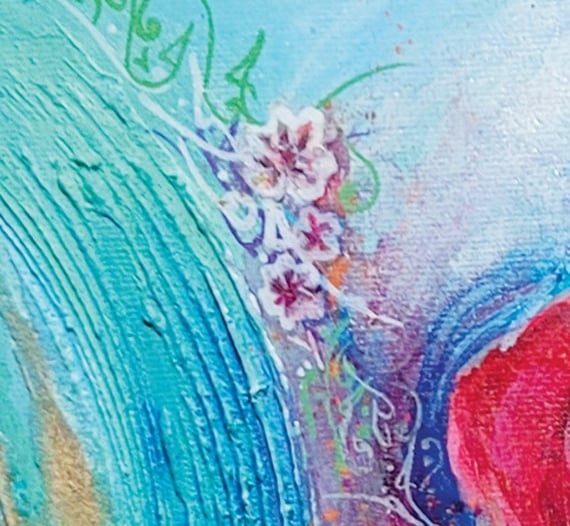
Surrounding this central flower, small, softly dispersed blossoms appear in harmony, like a subtle visual echo of the main rose, or an extension of its emotional presence. These delicate details introduce a sense of movement and diffusion, suggesting that this beauty is not confined to the center, but gently spreads across the entire pictorial space.
Color balance: a dialogue between two forces
The contrast between red and blue is one of the most striking elements of the work.
The red, placed at the center, captures the viewer’s attention through its intensity, while the surrounding blue provides visual and emotional balance.
This chromatic interaction is not merely aesthetic; it expresses a subtle duality between emotion and serenity, between fullness and openness.
The sea as movement and suggestion, not as image:
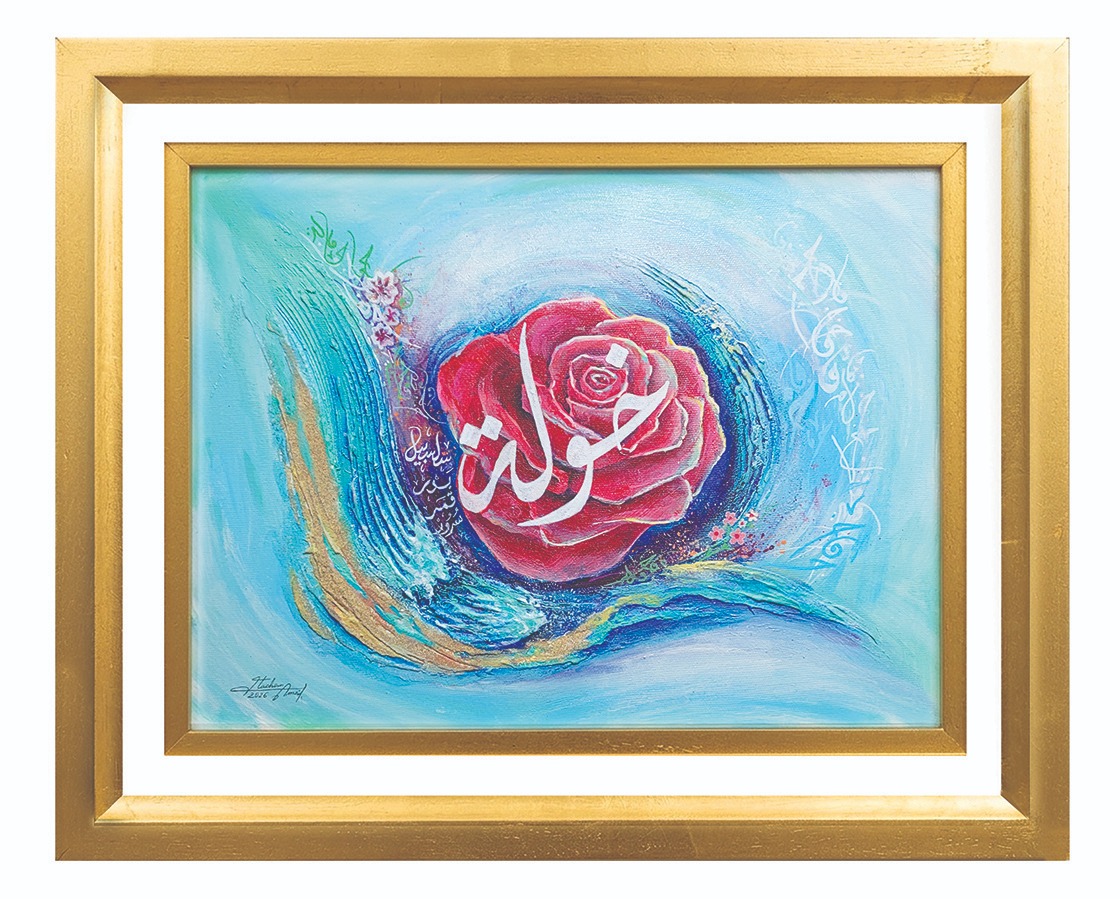
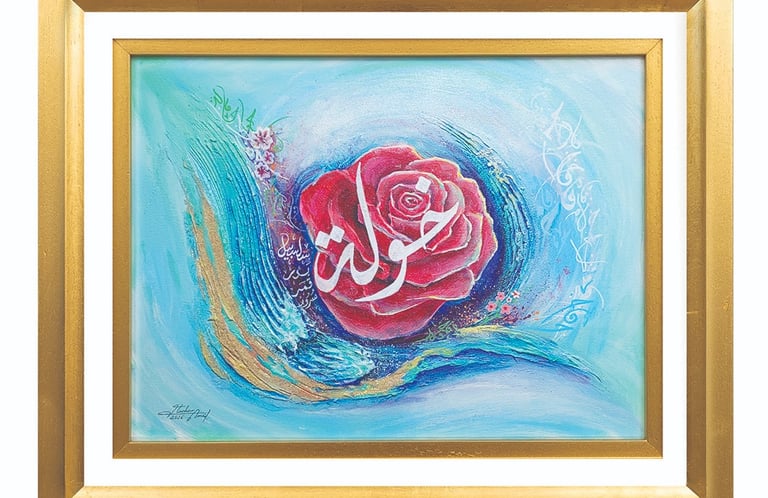
Rather than depicting the sea directly, it is evoked through color and movement.
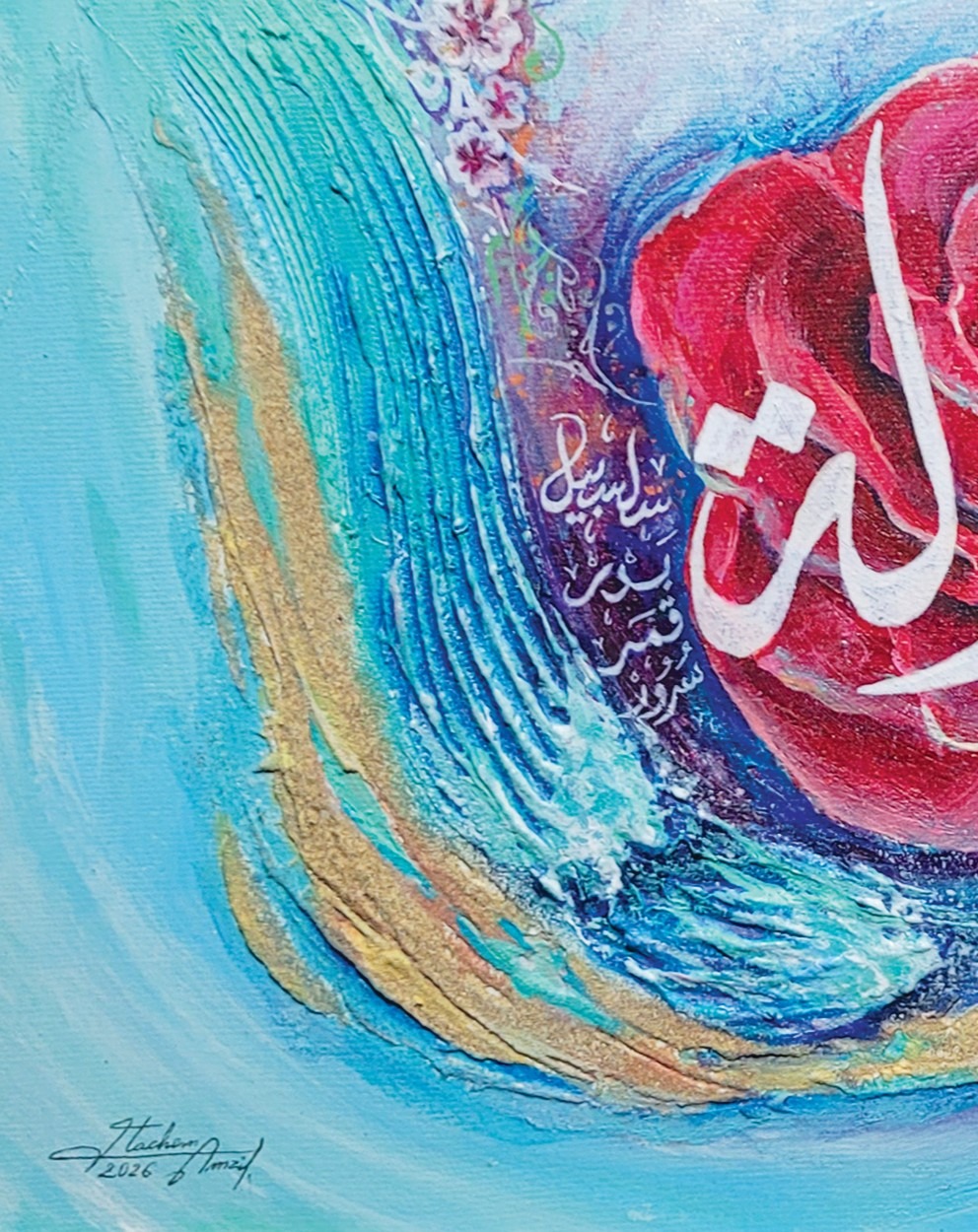
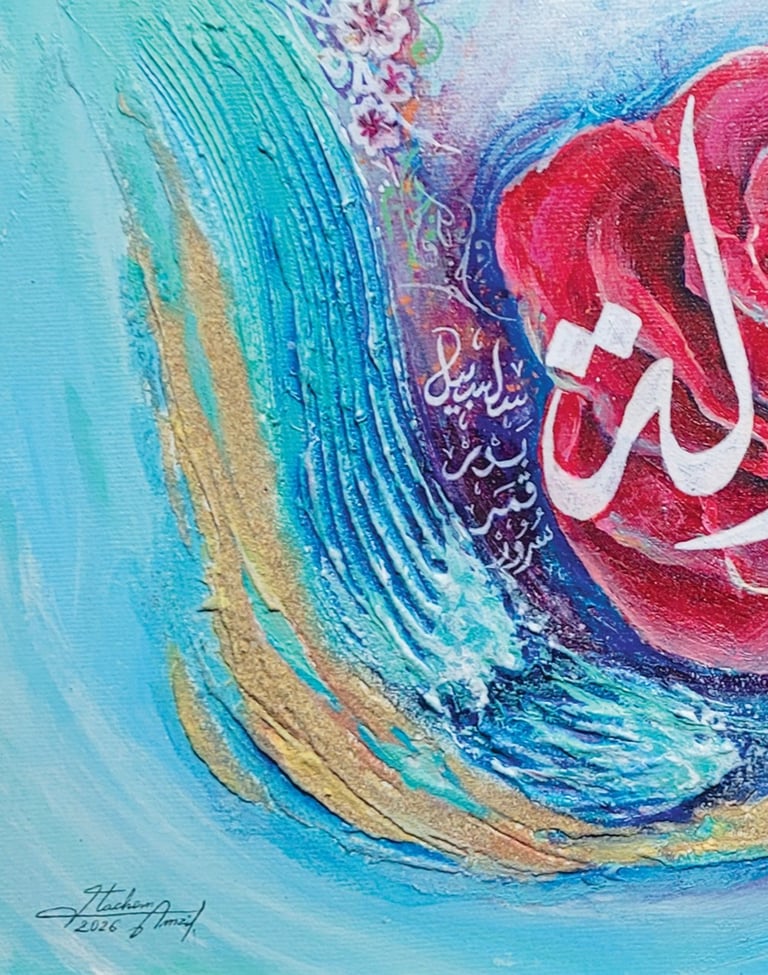
The background, rich in shades of blue and turquoise, reflects the calmness and depth of the water, while the curved, fluid lines suggest the motion of waves and their undulation.
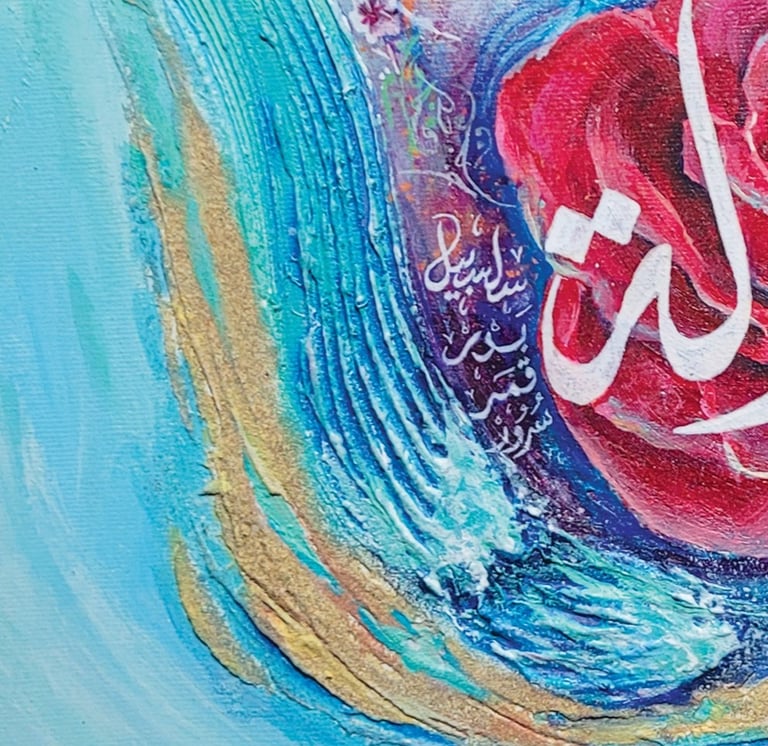
In this context, deep blue symbolizes the mysteries and depth of the sea, while sandy tones evoke the presence of the shoreline and its warmth.
Thus, the sea is no longer reduced to a simple visual image, but becomes a sensation of serenity and expansiveness—depth that is felt more than it is seen.
Thus, calligraphy becomes a space of poetic expression, where aesthetics meet personal experience in a subtle and harmonious balance.
Hachem Amzil CC BY-NC-ND 4.0
This choice was not arbitrary, but stems from a desire to merge identity with symbolism; thus, the name is no longer a separate element, but becomes a living part of the composition, surrounded by layers of blossoming and subtle dispersions, in reference to the cycle of life and the continuity of beauty.
The material: an additional sensory dimension
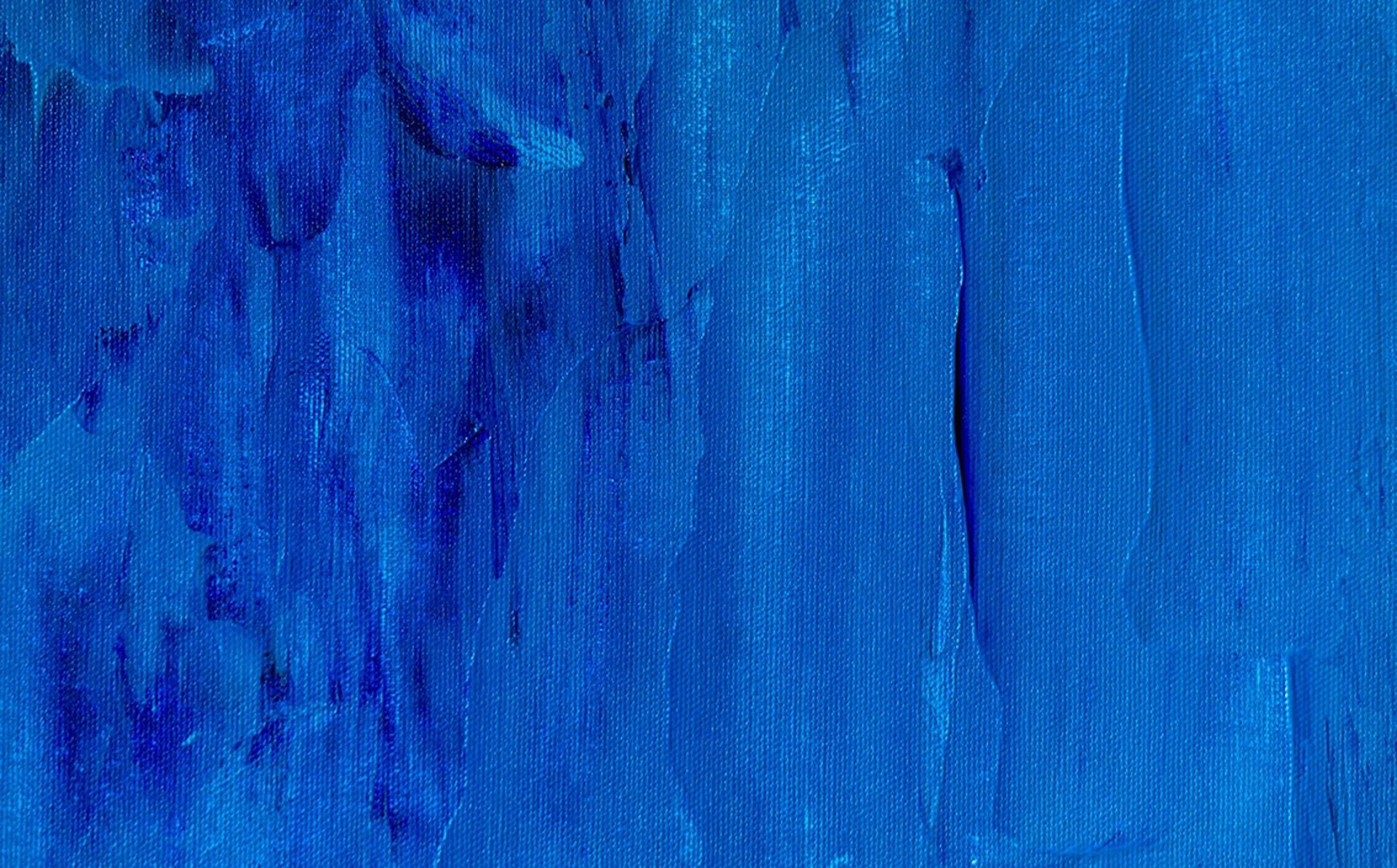
The artwork goes beyond the limits of color to embrace texture and give it a tangible presence. The use of acrylic paint combined with textured paste, along with the integration of real sands from the Laâyoune desert, enriches the composition with exceptional material and expressive depth.
It is not merely a material element: the sand of the Laâyoune desert represents a true aesthetic and symbolic value within the artwork. In each grain lies a memory of the place, a trace of its territory, granting the canvas an authenticity and sincerity that no artificial material could reproduce. Its presence anchors the work in its origin, giving it both a cultural and sensory depth that enhances its uniqueness.
This interplay of elements creates a visual and sensorial dialogue between the sea and the desert, between fluidity and solidity. As if the work brings together multiple geographies within a single space, it establishes a poetic balance rich in meaning.
Arabic calligraphy: the poetry of composition
Arabic calligraphy appears here as a fully-fledged visual element, not merely a means of writing. Its letters flow in harmony with the movement of the composition, reinforcing the rhythm of the work and endowing it with a vibrant expressive dimension.
The lateral touches of smaller letters introduce a poetic lightness, like delicate whispers surrounding the center without ever dominating it. Words carefully selected by the commissioner have also been integrated in subtle dimensions, appearing as discreet signs carrying personal meaning, enriching the work without weighing down its visual presence.
Conclusion: the artwork as an imprint beyond the event
Ultimately, this canvas is not limited to being a simple birthday gift; it goes beyond this function to become a complete artistic experience, seeking to translate the essence of a person into a visual language.
It embodies a dual birth: that of a tribute paid to an individual, and that of a work that carries within it a story, an emotion, and a singular identity.
Contact
Social networks
Follow us
hachemamzil@hachemart.com
© 2025. All rights reserved.